
Home › Services
TrEatments · Acupuncture Genève & Veyrier
Time-honoured techniques, a thoroughly personalised approach
main Technique
Acupuncture
The precise stimulation of points along the meridians to restore the flow of Qi (pronounced “chee” & translated as “life energy”) and rebalance the body.
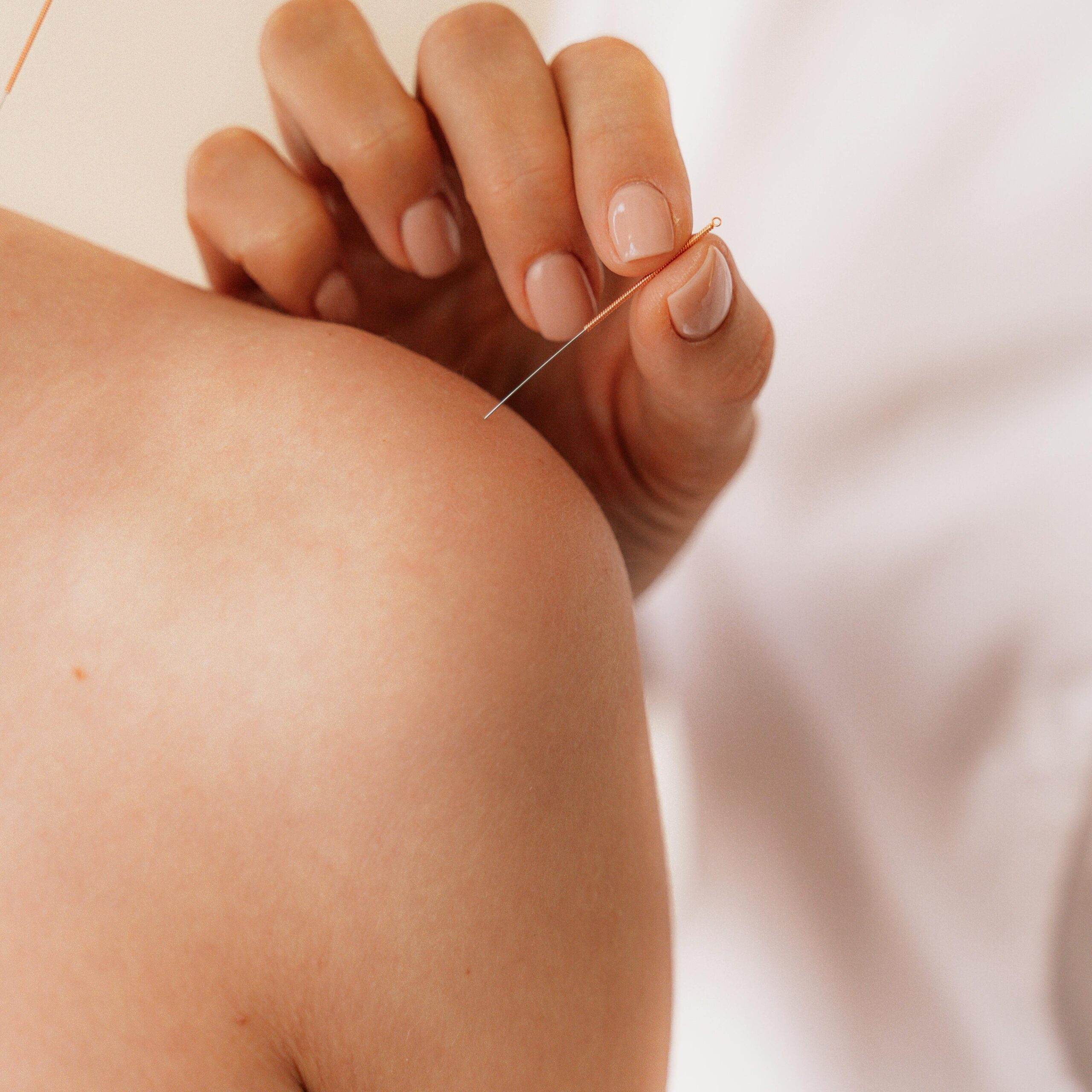
Acupuncture involves inserting fine needles, about 30 times thinner than a syringe needle, into specific points on the body. These points, located on meridians, regulate the flow of Qi (translated as “energy”) and blood. When stimulated, they reactivate the body’s natural regulatory mechanisms.
Modern research has shown that acupuncture acts on the autonomic nervous system, stimulates the release of endorphins and modulates inflammatory responses, explaining its pain-relieving effects and its regulatory effects on hormone levels.
Chronic Pain MenopauseStress & Sleep Painful periodFertility
Session Duration & FreQUENCY
Sessions last 50 to 60 minutes. The needles remain in place for 30 to 40 minutes. Recommended frequency: 1 session per week at the start of treatment.
How a Session goes
1
1
Discussion about your current symptoms
2
Pulse diagnosis and tongue examination, the two diagnostic tools of TCM
3
Insertion of needles into selected points — minimal sensation, which disappears immediately
4
30 to 40 minutes’ rest with the needles in place, often a deeply relaxing experience
CHinEse therapeutic Massage
Tui-Na
Chinese medicine therapeutic massage — much more than just a wellness massage.
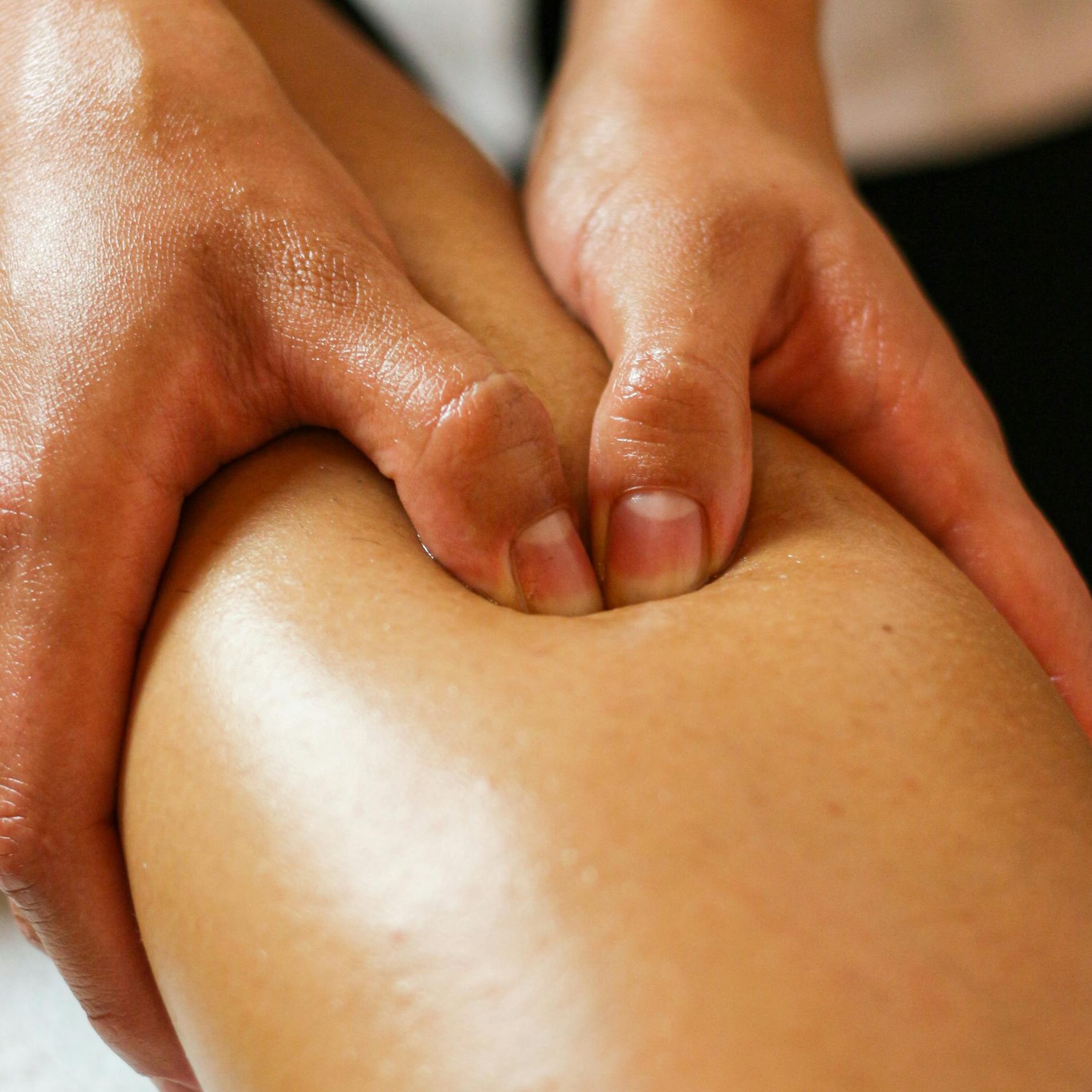
Tuina is a form of medical massage that uses specific manual techniques (pressure, kneading, friction) to act directly on the meridians and joints. Unlike a relaxation massage, every movement has a specific therapeutic purpose.
It is particularly effective at releasing deep muscle tension, improving joint mobility and treating localised chronic pain. It is often combined with acupuncture and/or cupping in the same session to enhance the effects.
Muscle spasms, neck stiffness, lower back pain, sports recovery
Muscle spasmNeck blockageLower back painSports recovery
Duration & Combination
20 to 30 minutes, usually combined with acupuncture in the same session. Can also be performed on its own on request.
Therapeutic Heat
Moxibustion
The application of gentle, penetrating heat to acupuncture points to deeply invigorate the body’s energy.
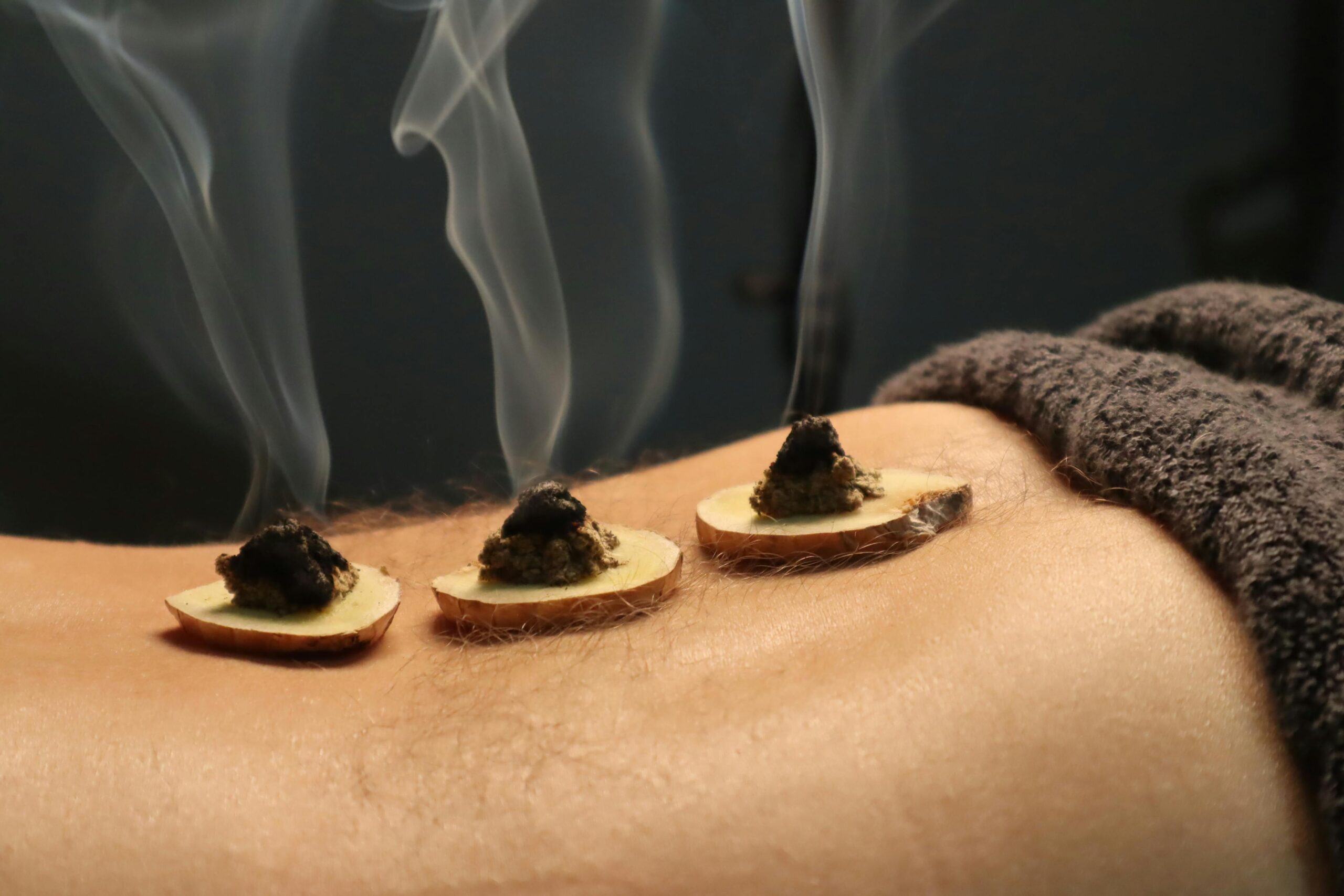
Moxibustion involves burning a dried herb, mugwort (Artemisia), in the form of sticks or cones, close to the skin on targeted acupuncture points. The heat produced is gentle, penetrating and deeply relaxing.
It is particularly recommended for ‘cold’ energy profiles, fatigue, sensitivity to the cold, lack of vitality, and pain that worsens in the cold. In Chinese medicine, it strengthens Yang and dispels cold and dampness from the meridians.
Chronic pain Frilosity Period pain Pain that worsens in cold Immune system support
Deep tissues relaxation
A gentle suction that mobilises deep tissues and releases deep-seated muscle tension.
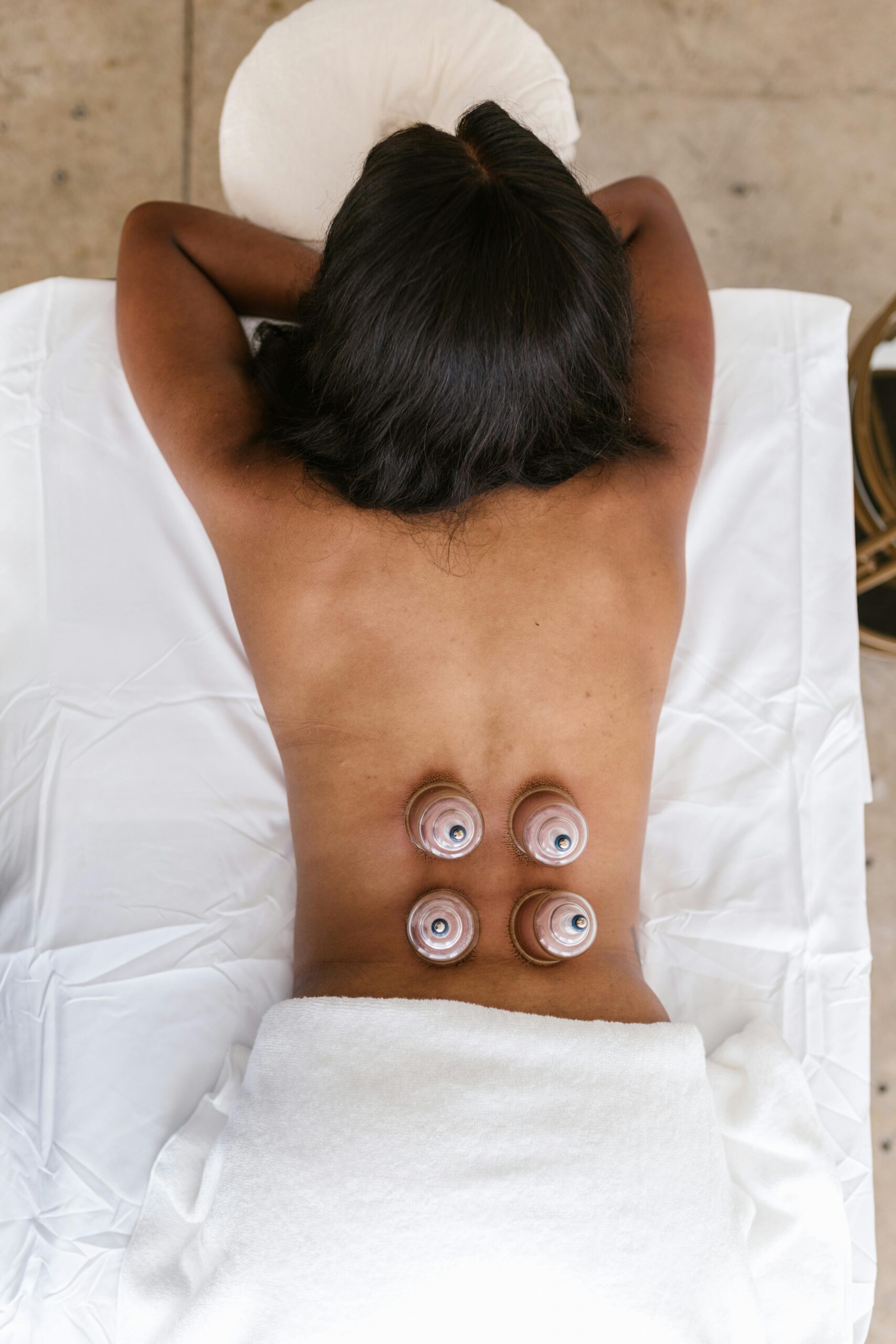
Cupping creates a suction effect on the skin that mobilises both the superficial and deep layers of tissue. This reversed pressure — unlike massage, which applies pressure — lifts the fascia, improves local microcirculation and releases deep-seated muscle tension.
They may leave temporary red or purplish marks on the skin (lasting 3 to 7 days), which are not bruises but evidence of subcutaneous blood mobilisation. These painless marks fade naturally.
Back painDeep muscle knotsMuscle recoveryLocal circulation
Please note
Cupping leaves temporary marks (lasting 3 to 7 days). Please inform your therapist if you have a social engagement or sporting activity planned in the coming days.
Rates & Reimbursements
Sessions can be reimbursed by supplementary health insurance schemes (depending on contracts). RME & ASCA-accredited practice.
Not sure which approach is right for you?
A free call to understand your situation and see which approach is most suitable.
A honest opinion with no obligation.
RME & ASCA-accredited · Can be reimbursed by supplementary insurance ·
76 rue de Carouge, Geneva & 97 ch. des Rasses, Veyrier·