
Fatigue · Menopause · Acupuncture GenEvA
Menopausal fatigue:regaining your energy, not just getting by
You’re getting enough sleep, yet you’re exhausted. This persistent fatigue, which doesn’t go away even on good days, isn’t ‘all in your head’. It has a specific cause, and the solution isn’t simply a matter of ‘sucking it up’.
RME & ASCA accredited · Can be reimbursed by supplementary insurance · Geneva & Veyrier
In brief
Menopausal fatigue results from a combination of several factors: a drop in hormone levels, sleep disrupted by night sweats, and depletion of Kidney Yang in Chinese medicine. Acupuncture acts on both these levels simultaneously, by improving sleep and tonifying the body’s fundamental energy. An improvement in daytime energy levels is generally observed between the 4th and 8th session.
Your Daily life
It’s not just a matter of ‘being tired’
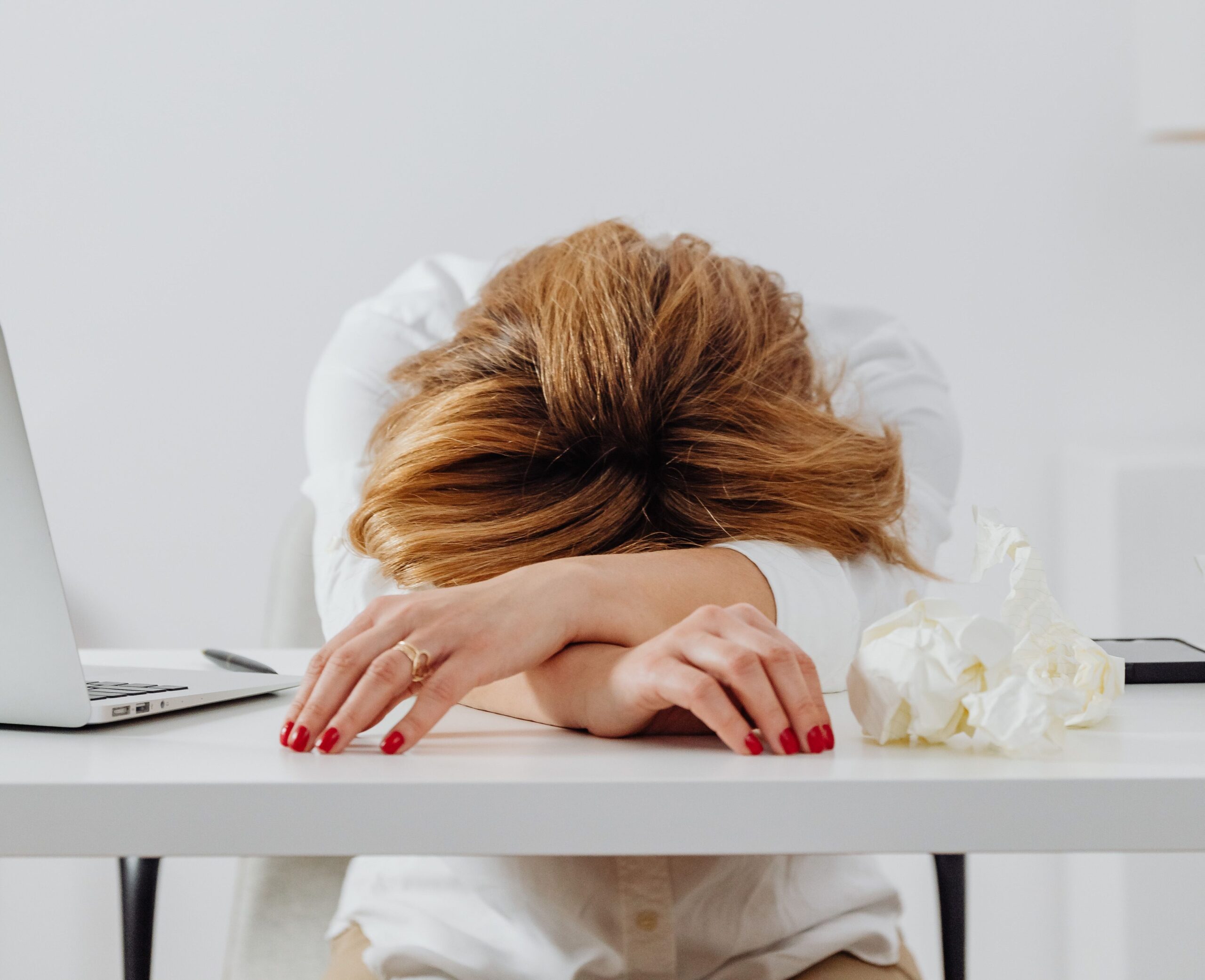
You wake up feeling exhausted. Coffee no longer helps. You draw a blank in the middle of a sentence. And you wonder if this is ‘normal’ — or if something’s wrong.
Menopausal tiredness is different. It doesn’t go away after a good night’s sleep, because sleep itself is often no longer restorative. You might sleep for eight hours and wake up just as exhausted as the day before.
Many women describe a feeling of mental fog: difficulty concentrating, finding the right words, or following a conversation. This cognitive fatigue is often accompanied by a loss of motivation and a desire to put everything off until tomorrow.
Signs to watch out for
Persistent tiredness despite rest, difficulty concentrating, unusual sensitivity to the cold, and a general lack of motivation.
UNDERSTANDING the mechanism
Why you’re exhausted: three interrelated causes
Fragmented sleep
Night-time sweats cause you to wake up several times a night, even if you don’t remember it. Deep sleep – the kind that actually restores you – is severely reduced as a result.
Direct hormonal decline
Oestrogen directly influences cellular energy production and cortisol regulation. A drop in oestrogen affects your energy levels, regardless of the quality of your sleep.
Deficiency of “Kidney Yang”
In Chinese medicine, the Kidney houses Yang, the body’s fundamental energy. Its depletion explains fatigue, sensitivity to the cold and a lack of motivation, which should be distinguished from Yin deficiency, which is responsible for hot flushes.

therapeutic approach
How acupuncture restores your energy
Unlike caffeine or stimulants, which temporarily mask fatigue, acupuncture addresses its root causes — without causing dependence or a rebound effect.
Tones Kidney Yang
Acupuncture & moxibustion can be targeted to strengthen the body’s fundamental energy, the physiological source of vitality.
Improves deep sleep
By reducing night sweats, acupuncture restores deep, truly restorative sleep phases.
Reduces mental fog
Acupuncture modulates serotonin and improves mood regulation, resulting in greater cognitive clarity.
Releases endorphins
Stimulation of acupuncture points increases the secretion of endorphins, reducing emotional and physical exhaustion.
Reduces sensitivity to the cold
By tonifying Kidney Yang, acupuncture helps the body to warm itself from within and reduces the sensation of persistent cold.
Non-addictive
Unlike stimulants, acupuncture restores energy without causing dependence or a rebound effect when treatment stops.
Please note
Extreme and persistent fatigue may also have other causes (thyroid problems, anaemia, depression). A blood test with your GP is still recommended in parallel, to rule out other causes before attributing the fatigue solely to the menopause.
What the science says
Documented effectiveness for fatigue
Meta-analysis · Chiu et al. — Menopause (NAMS), 2015
Beyond hot flashes, the meta-analysis found significant improvements in psychological, somatic and urogenital menopause-related symptoms, as well as in the vasomotor domain of menopause-specific quality of life, among women experiencing natural menopause who received acupuncture. These findings are encouraging, although the results should be interpreted in light of the limitations of the included studies.
Study on chronic fatigue syndrome
Researchers found that acupuncture was a safe and effective therapy for reducing fatigue, sleep disturbances and pain, with results often observed after just one or two treatments.
What to expect, session by session
- Sessions 1 to 3 — Assessment and initial sessions. Sleep is often the first thing to improve.
- Sessions 4 to 8 — Daytime energy levels gradually improve. Afternoon slumps become less frequent.
- Sessions 9 to 12 — Stabilisation. Many patients regain a level of vitality comparable to that they had before the menopause.
- Maintenance — One session every four to six weeks to maintain energy levels in the long term.
Frequently Asked Questions
Your questions about menopausal fatigue
Why does the menopause cause so much fatigue?
Menopausal fatigue results from a combination of several mechanisms: the drop in oestrogen directly disrupts cellular energy production, night sweats fragment sleep, and hormonal imbalance affects cortisol regulation. In Chinese medicine, this fatigue reflects a ‘Kidney Yang Deficiency’.
Is acupuncture effective against menopausal fatigue?
Yes. Acupuncture tackles fatigue through two complementary mechanisms: by reducing night sweats that disrupt sleep, and by directly tonifying the body’s fundamental energy (Qi and Yang) according to Chinese medicine. Results are generally noticeable from the very first sessions.
What is the difference between normal fatigue and menopausal fatigue?
Menopausal fatigue persists even after a good night’s sleep. It is often accompanied by difficulty concentrating, sensitivity to the cold and a general loss of motivation, unlike temporary fatigue, which subsides with rest.
How long does it take to regain energy?
Most patients notice an improvement in their energy levels between the 4th and 8th session. Improved sleep generally precedes improved daytime energy levels. A full course of 10 to 12 sessions helps to achieve lasting stabilisation.
Read about other symptoms of the menopause
Other symptoms we cover
You deserve to regain your energy.
Reconnu RME & ASCA · Remboursé par les assurances complémentaires ·
76 rue de Carouge, Genève & 97 ch. des Rasses, Veyrier